
Active Shooter
WHAT DO I DO?
HOW CAN I HELP?
Active Shooter
WHAT ARE MY OPTIONS?
WHAT IF THE SHOOTER COMES IN HERE?
Active Shooter
HOW DO I PROTECT THE KIDS?
HOW DO I PROTECT THE CHURCH MEMBERS?
Active Shooter
DO I SHOOT?
HOW MANY SHOOTERS ARE THERE?
Active Shooter Survival/Until Help Arrives
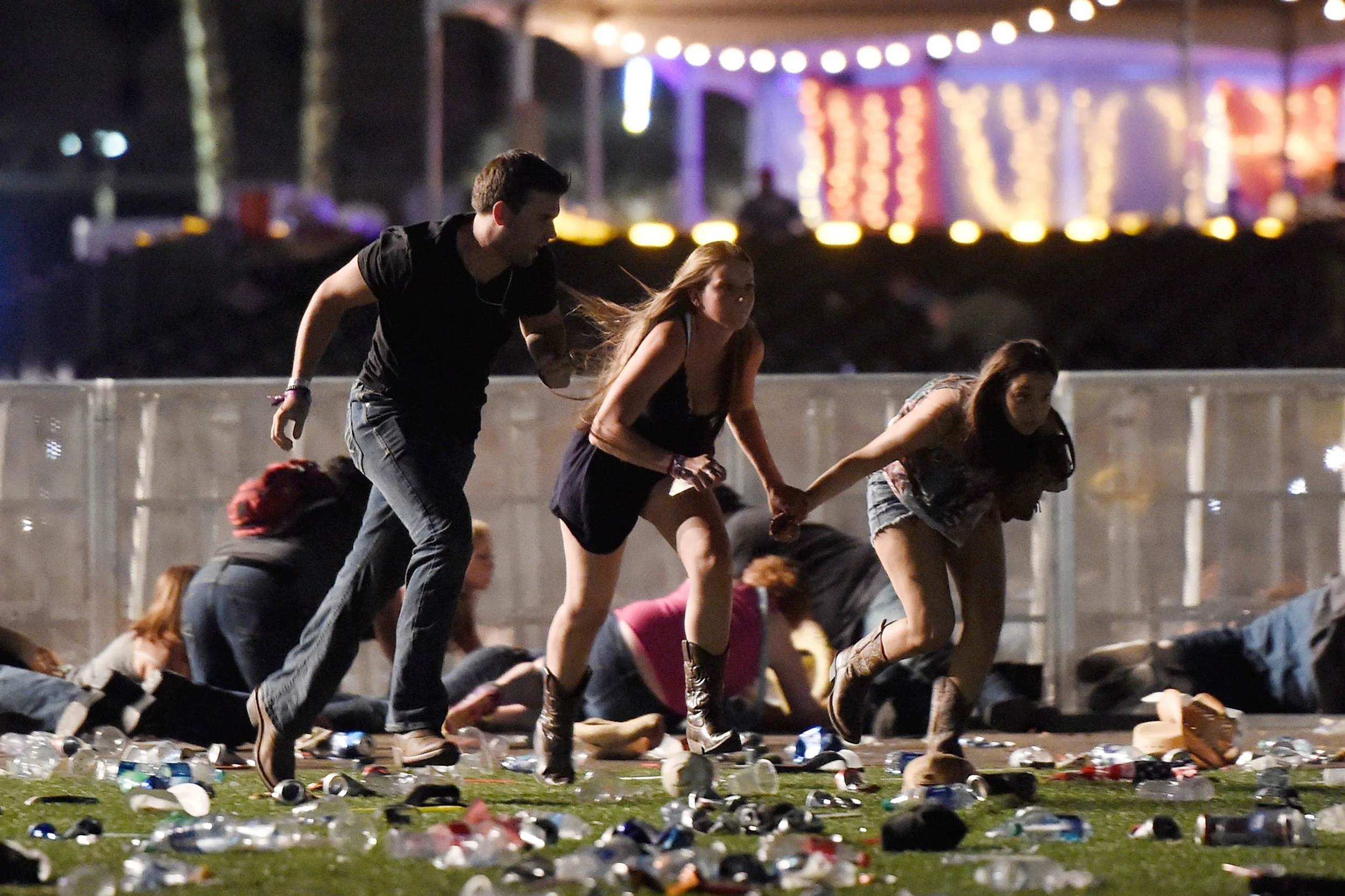
Our Active Shooter Survival Training equips individuals and organizations with practical, life-saving skills based on proven federal law-enforcement methods. Participants learn to recognize early warning signs, stay situationally aware, and respond confidently using the Run • Hide • Fight model.
Training covers:
Pre-incident indicators and threat behaviors
Immediate action response for civilians
Effective room barricading and securement
Decision-making under stress
Communication and reporting during emergencies
Basic trauma care, including tourniquet use
Instruction is delivered by experienced law-enforcement professionals, providing realistic, scenario-based guidance focused on improving survivability and empowering decisive action during critical incidents.
Active Shooter Response for Law Enforcement
Active Shooter Response for Law Enforcement
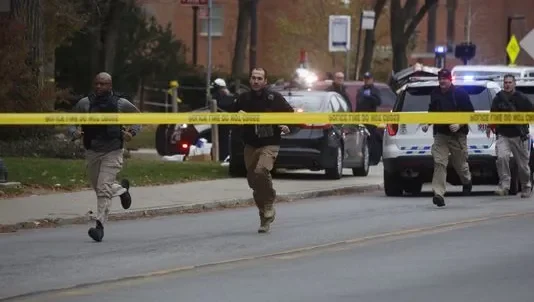
Law enforcement and Professional Security Active Shooter Response training centers on rapid entry, locating the threat, and stopping the violence as quickly as possible. Officers move directly toward the source of harm, using teamwork or solo deployment when urgency demands it.
Key points:
Rapid Deployment: Immediate entry to disrupt or eliminate the shooter.
Threat-Driven Movement: Use sound, witness info, and observations to locate the threat while maintaining awareness.
Priority of Life: Stop the killing first, then support rescue and medical operations.
Clear Communication: Accurate radio updates and coordinated roles reduce confusion and crossfire risks.
Fire/EMS Integration: Establish warm zones and guide rescue teams for faster treatment and evacuation.
Post-Incident Tasks: Clearing, securing the scene, and transitioning to investigation.
This approach emphasizes speed, coordination, and decisive action to protect lives.
RUN! HIDE! FIGHT!
DHS Offers Tips To Survive A Shooting
The Department of Homeland Security offers some tips that might help you survive a shooting rampage.

Surviving an active shooter event is the #1 goal of every person involved, most times even the bad guy. Most victims in this event were not trained or versed in any type of survival, but allowed the protective human instincts take over. However, what if they were trained, given more options, able to work with other trained civilians, co-workers, peers, given hands on training and work through scenarios would have given them the upper hand?
How do I secure my door?
Where do we run?
Where can we hide?
What can I use as a weapon?
DONT BE A VICTIM
In most cases an untrained armed civilian is no more help than an unarmed untrained civilian with the key word being “TRAINED”. Some think just because “I have a 4-8 hour Concealed Carry course under my belt, and the State Certification on my license”, assumes they are ready to defend and save a life, which is mostly not the case. It takes more training to get the gun out from concealment efficiently, than it took to take that CCW class. Now firing your weapon at a moving target under stress is an entirely different beast. If there were more armed and trained civilians or even LEO when these horrifying events happened, there will be less casualties and injuries. Let’s make this change!
When do I draw my weapon?
Am I ready to take the shot?
Will I hit what im shooting at?
TRAIN SURVIVE LIVE WIN
There are always injuries of some sort in an active shooter event. “I want to help, but what do I do” is always the question. Injuries from gunshot wounds, falling, accidently pushed into a wall, head injuries, fragments from an Improvised Explosive Device, heart attacks and strokes triggered from adrenaline are reasons to be trained to help that person in need until further advanced medical attention arrives. You are the 1st responder and should be trained to “Respond” in the time of need.
How do I “Stop the bleeding”?
What is a tourniquet?
How do I give CPR?
Is there an AED close by and how do I use it?
WHATS YOUR NEXT MOVE
NOTE: Followed by the two separate paragraphs
Church violence is becoming more prominent with armed robbers and active shooters, during service hours. The church use to be a place of worship without the fear of malice and violence. Now we have to prepare and arm ourselves against the misguided and less fortunate. There is even more carnage in rural areas where response time may take 10 to 15 minutes or longer. All churches should have a response team among parishioners. Several members should be trained and armed to physically help save lives. There should be members armed with knowledge of casualty care. There should be a plan in place to stop the killing and injuries to the congregation.
Workplace violence alone accounts for over 50% of the active shooter events, due to failed love relationships, social arguments, or disgruntled employees. Other reasons of workplace violence are due to large number of people in one area for more publicity. An employer cannot predict whether unknown individuals may decide to commit random acts of violence, because of mental and emotional conditions or for misguided political or religious motivations, but they have the opportunity to arm their employees with training to help mitigate the amount of casualties. Whether its the RUN, HIDE, FIGHT mindset, or giving immediate medical attention to the injured, the responsibility lies within not only the individual employee, but the employer as well.